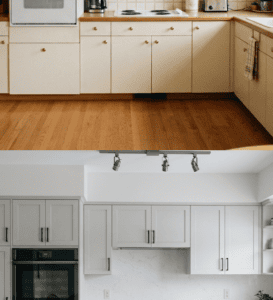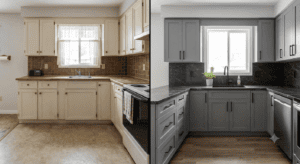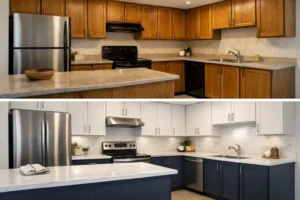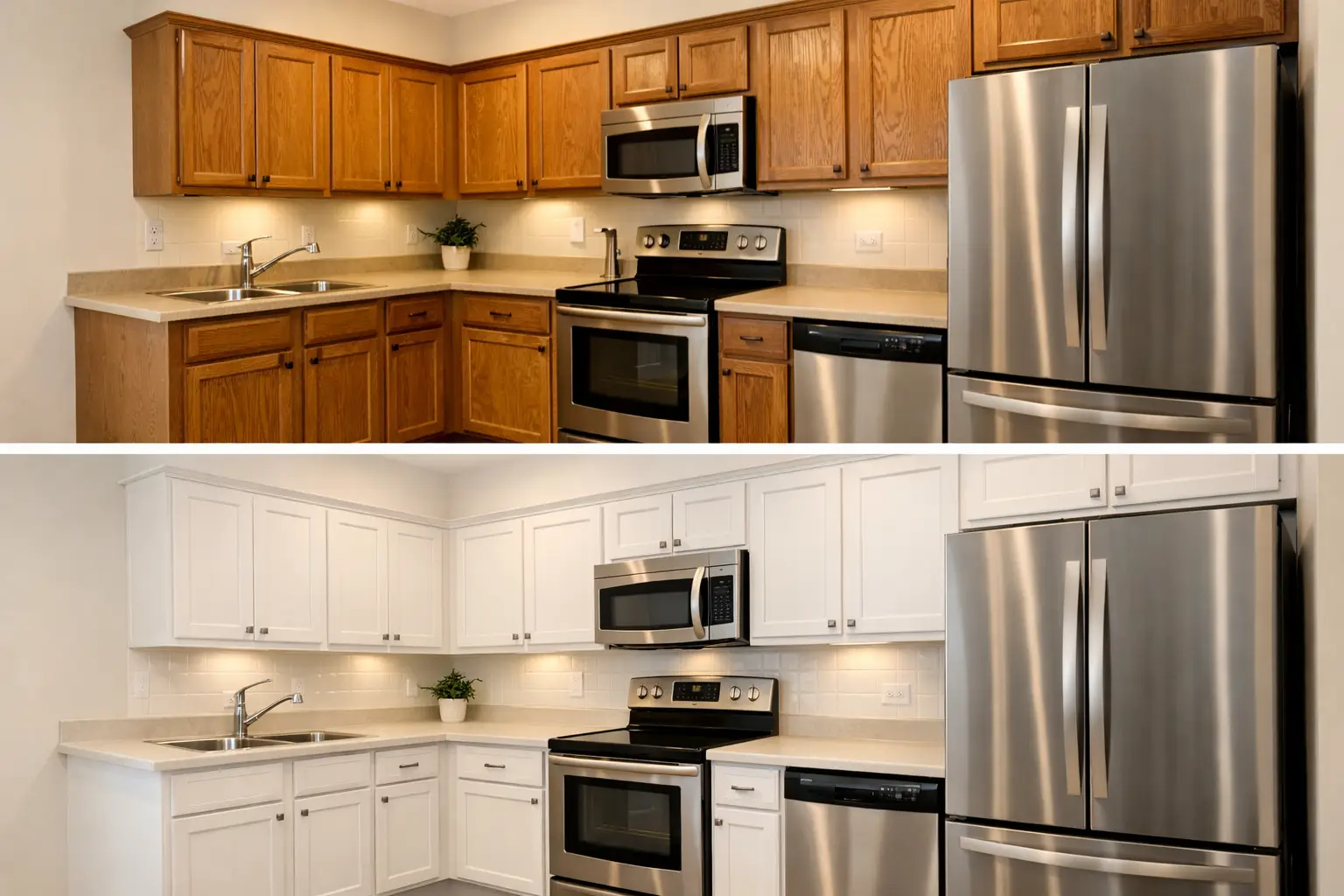
If you are asking, “how long does cabinet refacing take?” the part that happens in your home is usually much shorter than most homeowners expect. For a typical kitchen with solid, functional cabinet boxes, the visible transformation is commonly completed in just 2 to 3 days. You can go from dated doors and worn finishes to a polished, custom look without living through weeks of demolition.
That timeline is one reason refacing is such a smart fit for homeowners who like their kitchen’s layout but no longer like what they see. Still, every kitchen is different. The key is understanding the difference between the planning period and the installation days, as well as the few details that can add time.
Kitchen Facelift is you planning expert if you live in the Greater Hamilton Area.
Kitchen Facelift covers the area from Oakville to Kitchener/Cambridge and north to Milton.
How Long Does Cabinet Refacing Take From Start to Finish?
A cabinet refacing project has two timelines: the preparation that happens before installation and the work completed inside your home.
Before installation, your kitchen is measured precisely and your new doors, drawer fronts, and matching materials are custom made to fit. This is where careful choices and craftsmanship matter. Rather than pulling products from a shelf and making them work, refacing components are made for your cabinets, your selected style, and the details of your room.
Once materials are ready and an installation date is scheduled, most standard kitchen refacing projects take 2 to 3 days on site. The first day is often the most active, with the removal of existing doors and drawer fronts, preparation of cabinet surfaces, and the start of the new finish application. The remaining time is used to install and align new doors and drawers, fit hardware, complete finishing details, and make sure everything operates properly.
A full kitchen renovation can involve cabinet removal, plumbing changes, electrical work, flooring repairs, drywall, paint, and several trades working in sequence. Cabinet refacing avoids the disruption that comes from replacing cabinetry that is still structurally sound. That is why the work can move so efficiently.
What Happens During a 2- to 3-Day Installation?
A professional refacing installation is organized work, not a rushed job. The goal is to protect your home while giving every door, drawer, and finish detail the attention it needs.
On the first day, the installer removes the cabinet doors and drawer fronts that are being replaced. The cabinet boxes are cleaned, prepared, and refaced with a durable finish chosen to coordinate with the new components. Your existing cabinet structure stays in place, which eliminates the major tear-out associated with a full renovation.
The next stage is where the kitchen begins to look new. Custom doors and drawer fronts are installed, adjusted, and aligned. New handles or knobs are added if they are part of the project. This alignment work matters more than people realize. Even beautiful doors can look unfinished if spacing is uneven or hardware is not placed consistently.
The final stage is focused on fit, function, and cleanup. Drawers should slide smoothly, doors should close properly, and the overall finish should look intentional from every angle. A good installation team will also leave the work area orderly, because a shorter renovation timeline should not mean your home is left in disarray.
What Can Make Cabinet Refacing Take Longer?
Two to three days is a realistic on-site expectation for many kitchens, but it is not a promise that every project will follow the exact same schedule. The details of your kitchen and the scope of your goals always matter.
A straightforward refacing project moves fastest when the cabinet boxes are in good condition, the existing layout remains the same, and there is clear access to the work area. If you want to keep your kitchen footprint but update the doors, drawer fronts, exterior finishes, and hardware, the process is especially efficient.
Additional work can extend the installation timeline. That does not make refacing less practical. It simply means your project includes more than a surface transformation. Common examples include:
- Converting a cabinet door opening into functional drawers
- Removing an existing backsplash to prepare for a new one
- Making room for a new refrigerator, range, or other appliance
- Adjusting cabinetry for new quartz countertops
- Repairing cabinet boxes that have water damage or structural issues
These are worthwhile changes when they improve how your kitchen works. They just require the right planning. A reputable company should identify them early, explain what is involved, and give you a realistic schedule rather than treating every kitchen as if it were identical.
The Planning Stage Is Where a Smooth Timeline Begins
The installation itself may be fast, but a successful cabinet refacing project begins well before the crew arrives. This is the stage where homeowners choose a door style, finish, hardware, and any upgrades that will make the kitchen feel more current and useful.
Start with the honest question: are your cabinet boxes worth keeping? Many kitchens from the 1980s and 1990s have solid construction and a layout that still serves the household well. Their doors may be dated, their finishes may show wear, and their storage may need a few thoughtful improvements. But replacing the entire cabinet system may not be necessary.
An initial consultation helps establish whether refacing is the right path. Photos can often provide a helpful ballpark estimate, followed by an in-home visit for measurements, material samples, and a closer look at the cabinet condition. That process prevents surprises later and helps ensure the finished kitchen matches what you pictured.
It is also the right time to coordinate other work. If you are replacing countertops, changing appliances, or adding a backsplash, the sequence matters. For example, countertop measurements may need to happen after cabinet modifications are complete. Planning these connections in advance protects both the timeline and the finished result.
How to Prepare Your Kitchen Before Refacing Begins
You do not need to turn your home upside down to prepare for cabinet refacing, but a little preparation makes installation days easier. Empty the cabinets and drawers that will be worked on, clear countertops, and remove small appliances or décor from the immediate area.
Make a plan for meals and coffee while the kitchen is being worked on. For many families, that means setting up a temporary station in another room with a kettle, toaster, and a few essentials. Because the work is typically measured in days, not weeks, this is a manageable inconvenience rather than a major household relocation.
If you have pets, children, or a busy work-from-home schedule, let your installer know. A professional team can explain where work will happen, what access is needed, and how to keep the area comfortable and safe. Clear communication is one of the simplest ways to make a short project feel even easier.
Is Cabinet Refacing Faster Than Replacing Cabinets?
In most cases, yes. Refacing is faster because the cabinet boxes remain where they are. There is far less demolition, fewer connected repairs, and no need to rebuild the room around newly installed cabinets.
That does not mean refacing is the right answer for every kitchen. If the layout no longer works, cabinet boxes are badly damaged, or you need substantial plumbing and electrical changes, a more extensive renovation may be appropriate. Refacing is strongest when the bones of the kitchen are good and the goal is a meaningful visual and functional update with less disruption.
For homeowners who have already invested in granite or quartz, it can be an especially practical option. Keeping the existing cabinet structure can help preserve the elements you still love while transforming the pieces that make the kitchen feel outdated.
A Shorter Timeline Should Still Feel Thoughtful
The best part of a fast refacing project is not simply that it ends quickly. It is that you can make a significant change to the room where daily life happens without putting your home through unnecessary chaos.
At Kitchen Facelift, most transformations across the Golden Horseshoe are completed in 2 to 3 days because the process is built around careful planning, custom-fit Canadian-made components, and respectful installation. Your kitchen deserves more than a quick cosmetic fix. It deserves a result that looks considered, functions beautifully, and lets you get back to enjoying your home sooner.
If your cabinets are solid but your kitchen no longer feels like you, a focused consultation can bring clarity. Grab a cup of your favorite beverage, gather a few photos of your space, and start with the question that matters most: what would make this kitchen feel right for the way you live now?