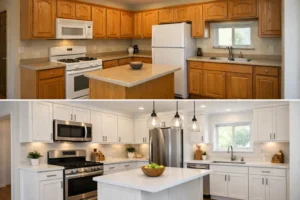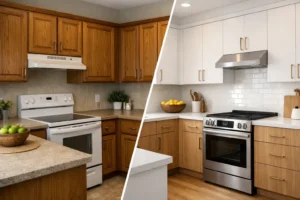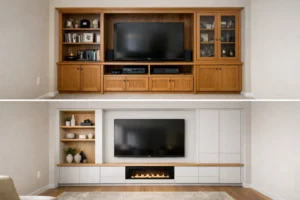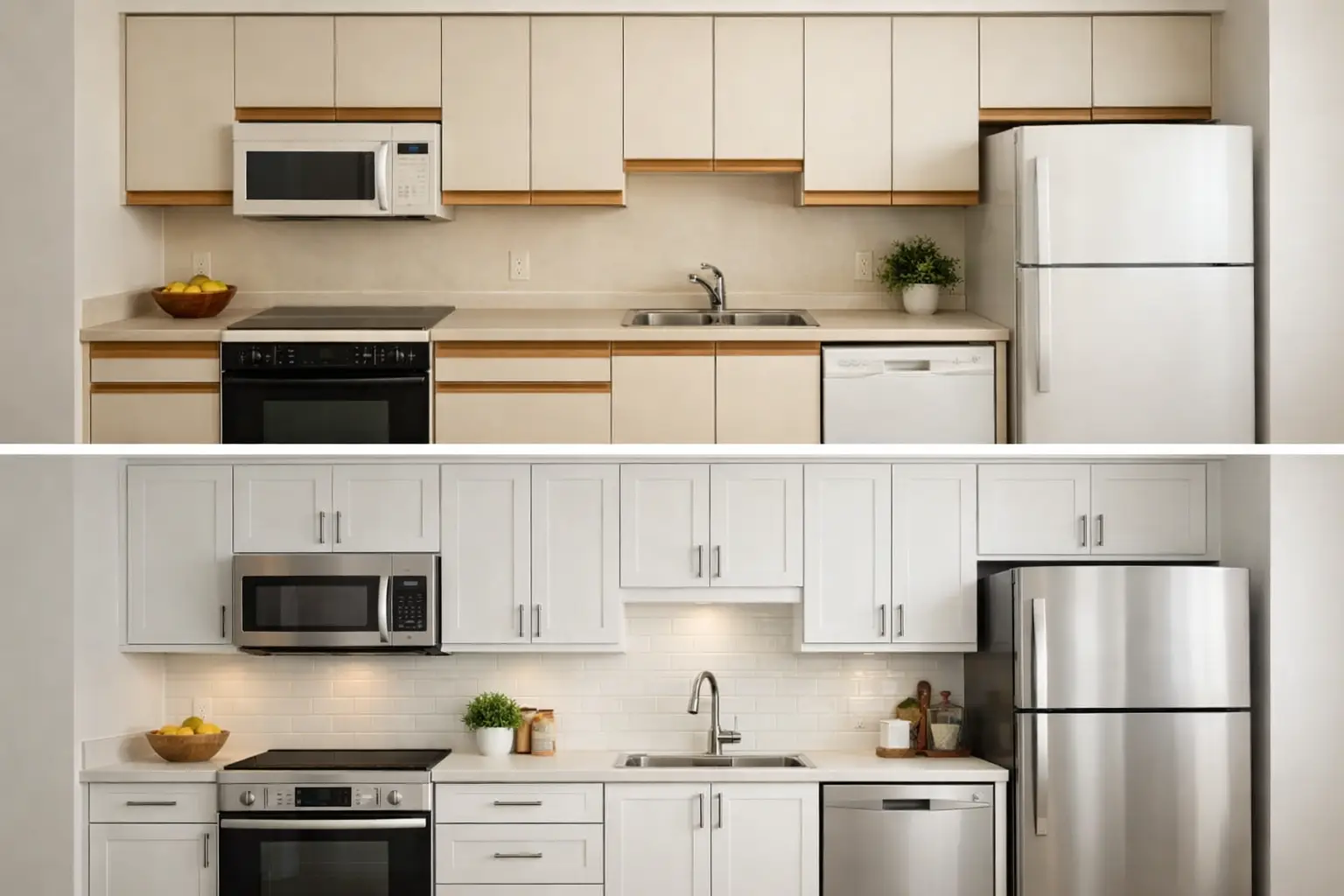
You open your kitchen cabinets every day, so when the doors look dated, worn, or just no longer feel like you, the whole room starts to feel tired. That is usually when homeowners ask: what exactly is cabinet refacing? The short answer is this: cabinet refacing keeps the cabinet boxes you already have and transforms the visible parts with new doors, drawer fronts, finishes, and trim so the kitchen looks dramatically updated without a full tear-out.
For many homeowners, that distinction matters. If your kitchen layout works, your cabinetry is structurally sound, and you do not want weeks of demolition, refacing can be the intelligent middle ground between doing nothing and taking on a full renovation.
What exactly is cabinet refacing in practical terms?
Cabinet refacing is a cosmetic and functional update built around your existing cabinet framework. Instead of removing every cabinet box from the kitchen, the installer keeps the parts that are still doing their job and replaces what you actually see and touch.
That usually means new cabinet doors, new drawer fronts, new hinges, updated hardware, and a matching finish or veneer on the exposed cabinet surfaces. In many kitchens, it can also include modifications that make the space work better, such as converting a lower cabinet with doors into deep drawers, adding new end panels, updating crown molding, or adjusting cabinetry to suit a new backsplash or countertop.
This is why refacing is often misunderstood. People sometimes assume it is just putting new doors on old cabinets. Good refacing goes further than that. The goal is a cohesive, custom-finished kitchen that looks intentional from every angle, not a patchwork update.
What gets replaced and what stays?
This is the part most homeowners want clarified.
The cabinet boxes usually stay. These are the structural carcasses attached to the walls and floors. If they are solid, level, and worth preserving, there is no real advantage in tearing them out just to rebuild the same footprint.
The doors and drawer fronts are replaced. These are the biggest visual elements in the kitchen, and changing them has an immediate impact on style.
The exposed ends, face frames, and other visible surfaces are covered or refinished to match the new fronts. Trim pieces, valances, light rail, and decorative details can also be updated so the finished kitchen looks complete.
Hardware is often replaced as well. New handles and hinges might sound like small details, but they help the kitchen feel current and polished.
Depending on the project, some surrounding elements may also be addressed. A homeowner may pair refacing with a new countertop, sink, backsplash, or under-cabinet lighting. Others keep their existing stone surfaces and simply update the cabinetry around them. That flexibility is one reason refacing appeals to people who want premium results without unnecessary disruption.
How cabinet refacing changes the look of a kitchen
The visual transformation can be dramatic because cabinet doors occupy so much of the room. Shifting from dated oak raised-panel doors to a clean shaker profile, for example, can make the kitchen feel brighter, more current, and more in line with the rest of the home.
Color plays a big role too. A kitchen that feels dark and heavy can become light and open with the right finish. On the other hand, some homeowners want warmth and depth rather than brightness. Rich woodgrain textures, soft taupes, and deeper painted tones can all work beautifully when the design is tailored to the room.
The important thing is that refacing is not limited to surface-level change. Done properly, it can modernize the entire character of the kitchen while preserving the bones that still make sense.
When cabinet refacing is a smart choice
Refacing makes the most sense when the layout already works for your household. If your sink, appliances, prep space, and storage locations are generally where you want them, there may be no need to start from scratch.
It is also a strong fit when your cabinet boxes are solid. Many kitchens built in the 1980s and 1990s have sturdy cabinetry that is visually outdated but structurally worth keeping. In those cases, replacing everything can create more waste, more mess, and more downtime than the project actually requires.
Homeowners with existing granite or quartz countertops often find refacing especially appealing. If you have already invested in stone surfaces you love, tearing out the cabinets beneath them can quickly become more complicated than expected. Refacing lets you update the kitchen around those elements rather than disturbing them unnecessarily.
And then there is the timeline. For households that cannot have their kitchen out of commission for weeks, refacing offers a very different experience. A well-planned project can often be completed in just a few days, which is a major advantage for busy families or anyone who simply wants the process to feel manageable.
When refacing may not be the right answer
Honest advice matters here. Cabinet refacing is not the right solution for every kitchen.
If the cabinet boxes are damaged, poorly built, or no longer functioning well, keeping them may not make sense. The same is true if you want to completely change the layout, move plumbing, expand the footprint, or create an entirely different kitchen configuration. Refacing works best when the foundation is worth preserving.
It is also worth saying that not all refacing projects are equal. Materials, fit, finish quality, and installation standards matter. If the new components are not custom-fitted or the visible surfaces are not properly matched, the result can feel temporary rather than transformative. That is why craftsmanship is such a big part of the conversation.
Is cabinet refacing the same as refinishing?
No, and this is one of the most common points of confusion.
Refinishing generally means keeping your existing doors and drawer fronts and changing their surface, often through sanding, painting, or staining. Refacing means replacing those fronts altogether and finishing the exposed cabinet structure to match.
If your current doors are the wrong style, have visible wear, or simply do not give you the look you want, refinishing may not go far enough. Refacing offers more freedom because it changes both the finish and the door profile. You are not just freshening what is there. You are reshaping the visual identity of the kitchen.
What the process usually looks like
A good refacing project starts with assessment, not assumptions. The first step is determining whether your existing cabinetry is a strong candidate. That includes checking condition, measurements, layout, and any special considerations such as appliance changes or countertop plans.
From there, design decisions come into focus. Door style, color, finish, hardware, trim details, and any functional upgrades all need to work together. This is where homeowners often realize refacing can feel far more customized than they expected.
Once production and installation begin, the work is much more contained than a full renovation. There is still skilled labor involved, and there may be some targeted demolition if the project includes backsplash removal or preparation for other upgrades, but the process is intentionally efficient. The point is not to create a construction zone where one is not needed.
That homeowner-first approach is part of what makes premium refacing so appealing. At Kitchen Facelift, for example, the focus is not on replacing more than necessary. It is on transforming what you see, preserving what still serves you well, and respecting the fact that this is your home, not a job site.
Why homeowners choose refacing over a full renovation
For many people, the decision comes down to common sense. If the cabinet boxes are solid, the layout works, and the goal is a major visual upgrade without avoidable upheaval, refacing is simply the more logical path.
That does not mean it is a compromise. In the right kitchen, it can be the smarter investment because it directs your budget toward the parts of the space that will make the most visible difference. You get a fresh, custom look, updated function, and a cleaner renovation experience without rebuilding what did not need rebuilding in the first place.
There is also an emotional side to this choice. A lot of homeowners are not just trying to improve their kitchen. They are trying to avoid the stress that often comes with renovation. They want clear expectations, a manageable timeline, and confidence that the finished result will feel worth it. Refacing answers that need in a very practical way.
If you have been staring at dated cabinets and wondering whether the only real option is a full gut job, take a closer look at what is actually there. You may not need a brand-new kitchen. You may just need a better way to bring the one you already have back to life.