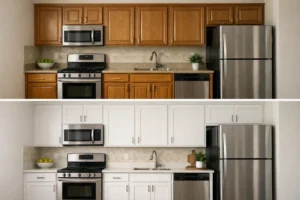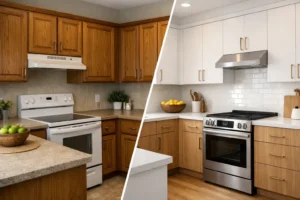
A dated kitchen has a way of colouring the whole house. Even when the layout works, the cabinets are solid, and the countertops still have life left in them, tired doors and worn finishes can make the space feel older than it is. So, does cabinet refacing increase home value? In many cases, yes – especially when your existing cabinetry is structurally sound and the goal is to modernize the kitchen without unnecessary demolition.
The key is understanding what kind of value you mean. Some homeowners are thinking about resale. Others want to protect what they have, enjoy their home now, and make a smart improvement that future buyers will appreciate. Cabinet refacing can support both goals, but it works best in the right kitchen and with the right expectations.
Does cabinet refacing increase home value in real terms?
Usually, it can. Buyers respond strongly to kitchens because they are one of the most used and most visible spaces in the home. A kitchen that looks fresh, current, and well cared for helps create the impression that the entire property has been maintained properly.
Refacing improves the parts people notice first – door style, finish, drawer fronts, visible hardware, and overall visual consistency. If those elements look current and professionally installed, the kitchen often feels far more updated than the scope of work might suggest.
That matters because home value is not only about construction costs. It is also about buyer perception. A home that feels move-in ready tends to attract more confidence. When a buyer walks into a kitchen that looks clean, bright, and intentional, they are less likely to mentally subtract money for future updates.
Still, refacing is not magic. It will not create the same kind of value as a full redesign when the layout is dysfunctional, storage is poor, or the cabinet boxes are damaged. It raises value most effectively when it solves the right problem: a kitchen that looks tired, not a kitchen that no longer works.
Why refacing appeals to today’s homeowner and tomorrow’s buyer
Most people do not buy homes by studying the cabinet construction first. They react to how a space feels. Updated cabinetry can make a kitchen feel lighter, more current, and more aligned with the rest of the home.
That is one reason refacing often performs so well as an investment. It targets high-visibility surfaces without forcing you into a full renovation. If your boxes are solid, your layout makes sense, and you already have quality stone countertops or flooring in place, tearing everything out may add cost and disruption without adding proportional value.
Refacing can be especially sensible in established homes from the 1980s and 1990s. Many of those kitchens were built with durable cabinet boxes that still have years of life left in them. What dates them is the finish, the door profile, and the overall style. Updating those visible elements can dramatically change the room while preserving what still works.
From a resale standpoint, that is often enough. Buyers want a kitchen that feels current and functional. They do not always need a completely rebuilt room. They want confidence that the home has been thoughtfully improved.
When cabinet refacing adds the most value
Refacing tends to deliver the strongest return when the kitchen layout already fits the home. If the sink, stove, and fridge are in sensible positions, traffic flow feels natural, and storage is adequate, then appearance becomes the bigger issue. That is exactly where refacing shines.
It also adds value when the rest of the kitchen has supporting features worth keeping. Quartz or granite countertops, newer appliances, good flooring, and a practical footprint all make refacing a smarter choice. In that setting, replacing the cabinet fronts and finishes can bring the entire space together.
Another strong use case is preparing a home for sale without turning life upside down. A full renovation can take weeks and create a level of stress that many homeowners simply do not want before listing. Refacing offers a cleaner, faster path to a more polished kitchen, which can be especially appealing for busy households.
Professional execution matters here. Uneven lines, poor material quality, or styles that already feel dated can limit the benefit. Done well, refacing looks intentional and high-end. Done poorly, it can feel like a cosmetic patch.
The features buyers notice most
Buyers rarely separate a kitchen into technical categories. They respond to the overall impression. Clean lines, modern door styles, coordinated finishes, and quality hardware all signal care and investment.
They also notice practicality. Soft-close drawers, better organization, and converting hard-to-use doors into drawers can improve the day-to-day function of the kitchen. Those changes may seem small on paper, but they make a space feel better designed.
That is why thoughtful refacing can go beyond surface beauty. It can improve how the kitchen works without rebuilding the entire room.
When refacing may not be the right move
Honest advice matters here. Cabinet refacing is a smart option, but not every kitchen is a good candidate.
If the cabinet boxes are swollen, unstable, or poorly built, refacing may not be worth doing. The same is true if the layout is deeply frustrating – too little prep space, awkward appliance placement, or storage that simply does not meet your needs. In those situations, a more substantial renovation may be the better long-term decision.
There are also cases where the home itself sets a different standard. In a higher-end property where buyers expect a completely redesigned kitchen, refacing alone may not deliver the full result needed to match the rest of the home. It can still help, but it may not maximize value the way a more extensive renovation would.
That does not make refacing the lesser option. It just means the best renovation is always the one that fits the house, the homeowner, and the reason for doing it.
Cost versus return is only part of the story
People often ask whether refacing gives a better return than replacing cabinets entirely. The answer depends on what was there to begin with and what you are trying to achieve.
If your existing cabinets are worth saving, refacing often makes sense because it avoids spending money on demolition, disposal, and rebuilding what is already functional. That efficiency can make the investment feel more intelligent, especially when the visual result is dramatic.
But there is another kind of return that matters just as much: reduced disruption. A kitchen transformation that is completed in days instead of weeks has real value for a family living through it. Less mess, less downtime, and fewer moving parts can make the decision easier – and for many homeowners, that convenience is not a side benefit. It is part of the value.
For sellers, timing matters too. If you can improve the kitchen quickly and professionally before going to market, you may gain the visual benefit without delaying your plans.
How to tell if refacing is a wise investment in your home
Start with the bones of the kitchen. If the cabinet boxes are solid, the layout is workable, and the room mainly needs a visual and functional refresh, refacing is often a strong choice.
Next, look at what you would be preserving. Existing stone countertops, recently updated appliances, or flooring you still love can all tilt the decision toward refacing. There is no prize for replacing parts of a kitchen that are already doing their job well.
Then think about your timeline and tolerance for disruption. A full renovation may be right for some homes, but many homeowners want a result that feels premium without weeks of upheaval. That is where a specialized refacing approach can make the right choice feel obvious.
For homeowners across communities like Oakville, Burlington, Hamilton, Cambridge, and Waterloo, that balance often matters as much as resale itself. You want your kitchen to look beautiful, feel current, and support your home’s value – but you also want the process to be manageable.
Kitchen Facelift was built around that exact reality. When refacing is the right fit, the goal is not to give you a halfway result. It is to give you a finished kitchen that looks transformed, respects your home, and makes financial sense.
A well-updated kitchen does more than boost a number on paper. It changes how your home feels the moment you walk in, and that kind of value tends to last.