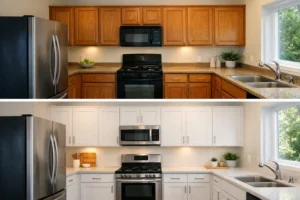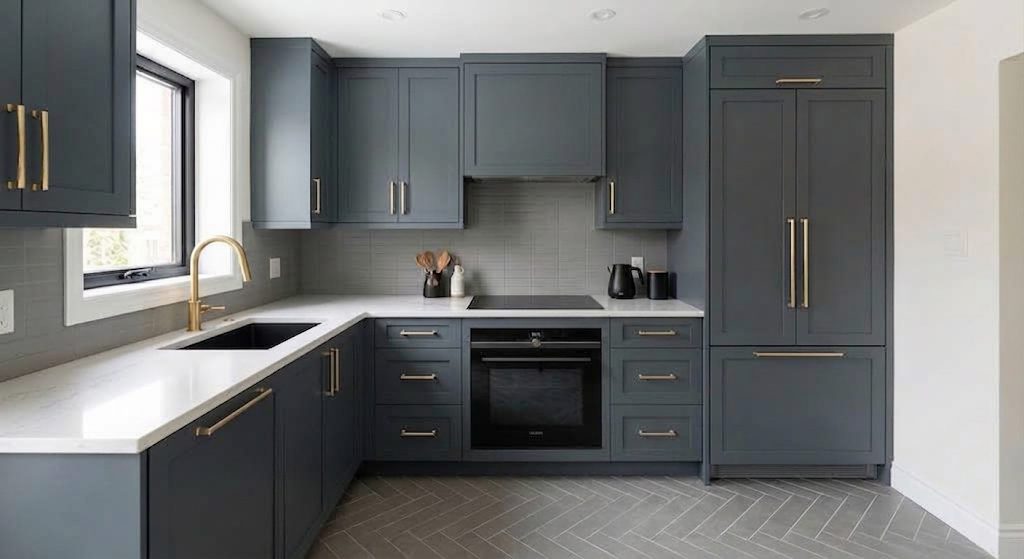
A kitchen can be structurally sound and still make a home feel dated the moment someone walks in. That is why homeowners often ask, do refaced kitchens add value? The honest answer is yes, they can – especially when your existing cabinet boxes are in good condition, the layout works, and the visible elements are ready for a meaningful update.
Cabinet refacing is not a shortcut or a coat of paint. Done well, it is a custom transformation that replaces cabinet doors and drawer fronts, refinishes or covers the cabinet exteriors, and updates the details buyers and homeowners notice first. The result can make an older kitchen feel current, cared for, and far more aligned with the rest of the home.
The key is understanding what “value” really means. It is not always a dollar-for-dollar promise at appraisal. More often, it is a combination of stronger buyer appeal, better marketability, and the everyday value of enjoying a kitchen you are proud to use.
Kitchen Facelift is your planning expert if you live in the Greater Hamilton Area.
Click to see the map for the area (Oakville to Hamilton to Niagara and north to Milton).
Do Refaced Kitchens Add Value at Resale?
A refaced kitchen can add value at resale when it solves the right problem: a kitchen that looks tired but does not need to be rebuilt from the floor up.
Buyers tend to react quickly to kitchens. They notice worn doors, mismatched finishes, dated hardware, and surfaces that suggest a renovation is waiting for them after closing. Even when a kitchen is clean and functional, those visual cues can make a home feel like more work. A polished, modernized kitchen changes that first impression.
Refacing can help a listing feel more move-in ready. Fresh custom-fit doors, coordinated drawer fronts, contemporary hardware, and a thoughtful finish make the room feel intentional rather than merely usable. That can support buyer confidence, encourage stronger interest, and reduce the chance that the kitchen becomes the feature people mentally add to their future to-do list.
Still, no responsible renovator should promise a specific resale return. Local market conditions, the home’s overall condition, the quality of the installation, and buyer expectations all play a role. A refaced kitchen is most likely to support value when it fits the home and looks professionally finished – not when it is treated as an isolated cosmetic change.
Why Buyers Respond to a Refaced Kitchen
Buyers are not only comparing cabinet doors. They are making a quick judgment about how much care a home has received and how soon they will need to spend time, energy, and money after moving in.
A dated kitchen can make buyers question other parts of the property, even when those concerns are not justified. On the other hand, a well-refaced kitchen signals that the home has been maintained with care. It gives the room a fresh visual centre without introducing the disruption of a complete rebuild.
This is particularly true in established Golden Horseshoe homes with solid cabinetry from the 1980s and 1990s. Many of these kitchens were built with durable cabinet boxes and practical layouts. Replacing quality structure simply because the door style has aged may not be the wisest use of a renovation budget. Refacing preserves what is working while transforming what everyone sees and touches.
The improvements can also be more functional than people expect. Converting selected doors to drawers, improving storage access, adjusting cabinetry for a new appliance, or preparing for new quartz countertops can make the kitchen work better for the next owner as well as the current one.
When Cabinet Refacing Makes the Most Sense
Refacing is a strong value decision when the cabinet boxes are sound, level, and well-built. It also works best when you are happy with the kitchen’s basic footprint. If the sink, appliances, and traffic flow are already in sensible places, a fresh exterior can deliver a dramatic change without unnecessary demolition.
It is especially well suited to homeowners who have already invested in granite or quartz countertops. Removing cabinets beneath existing stone can create extra complexity and risk. Refacing lets you update the cabinetry while respecting the parts of your kitchen that still serve you well.
For a homeowner planning to sell, refacing can be a practical way to present the kitchen at its best without taking on a long, disruptive renovation. For a family planning to stay, the value may be even more personal: a kitchen that finally reflects their style, functions more smoothly, and is completed in days rather than taking over the house for weeks.
At Kitchen Facelift, each kitchen is assessed individually because cabinet condition matters. A professional should look beyond the surface before recommending refacing. Strong results begin with an honest answer about whether the existing cabinetry is worth preserving.
When Refacing May Not Be the Right Investment
Refacing is not the answer for every kitchen. If cabinet boxes have serious water damage, structural problems, poor construction, or extensive wear, replacement may be the better path. The same is true when the layout creates daily frustration that cannot be resolved with targeted adjustments.
For example, a kitchen that is too small for the household, lacks essential storage, or needs walls moved to improve flow may call for a more comprehensive redesign. Refacing refreshes the cabinetry you have. It does not fundamentally relocate plumbing, expand a room, or create an entirely new floor plan.
This distinction matters because the best renovation decisions are not about doing the most work. They are about doing the work that will genuinely improve your home. If your cabinets are solid and your layout serves you, preserving that foundation can be the more thoughtful choice.
The Details That Protect the Value of a Reface
Not all kitchen updates create the same impression. To support resale appeal and long-term satisfaction, the finished kitchen should feel cohesive from every angle.
Start with proportion and style. Door profiles, finishes, and hardware should suit the home rather than chase a trend that may feel dated quickly. A classic Shaker-style door, a warm wood tone, or a clean painted finish can all work beautifully when chosen in context. The goal is not to make every kitchen look the same. It is to make the kitchen look like it belongs.
Quality installation matters just as much as the visible materials. Even gaps, properly aligned doors, smooth drawer operation, clean edge treatment, and a precise fit around appliances and countertops are the details that separate a finished transformation from a surface-level update.
It also helps to coordinate the surrounding elements. A new backsplash, updated lighting, or carefully selected countertop can strengthen the overall result, but they should support the cabinetry rather than compete with it. You do not need to replace every element for the kitchen to feel renewed. Often, the smartest projects focus on the changes that have the greatest visual and practical effect.
Value Is Also About Living Better Before You Sell
Homeowners sometimes postpone kitchen improvements because they are unsure whether they will stay or sell. But value is not limited to the day a real estate agent takes photos.
A kitchen is where mornings begin, lunches are packed, guests gather, and family routines happen. If your cabinets are reliable but the room no longer feels like yours, refacing gives you the opportunity to enjoy a major visual transformation now. Should you sell later, you will also be presenting a home with a refreshed, well-considered kitchen.
The efficient timeline matters here. Most cabinet refacing transformations can be completed in two to three days, depending on the scope. That means less disruption to family life and a much clearer path from “we should do something about this kitchen” to a finished room.
A Simple Way to Decide
Look at your kitchen honestly. If the boxes are solid, the layout is functional, and the frustration is mostly with dated doors, finishes, storage access, or overall appearance, refacing is worth serious consideration. It can improve how the kitchen feels to you today and how it is perceived by future buyers.
If the space has deeper structural or layout issues, ask for straightforward advice before investing. The right plan should respect your home, your timeline, and what you actually need from the room.
A thoughtfully refaced kitchen does more than update cabinets. It lets a well-built kitchen keep doing its job – only now, it looks like it was made for the life you want to live in it.