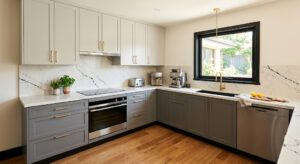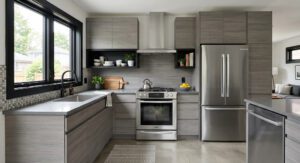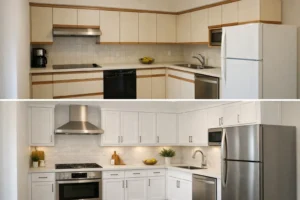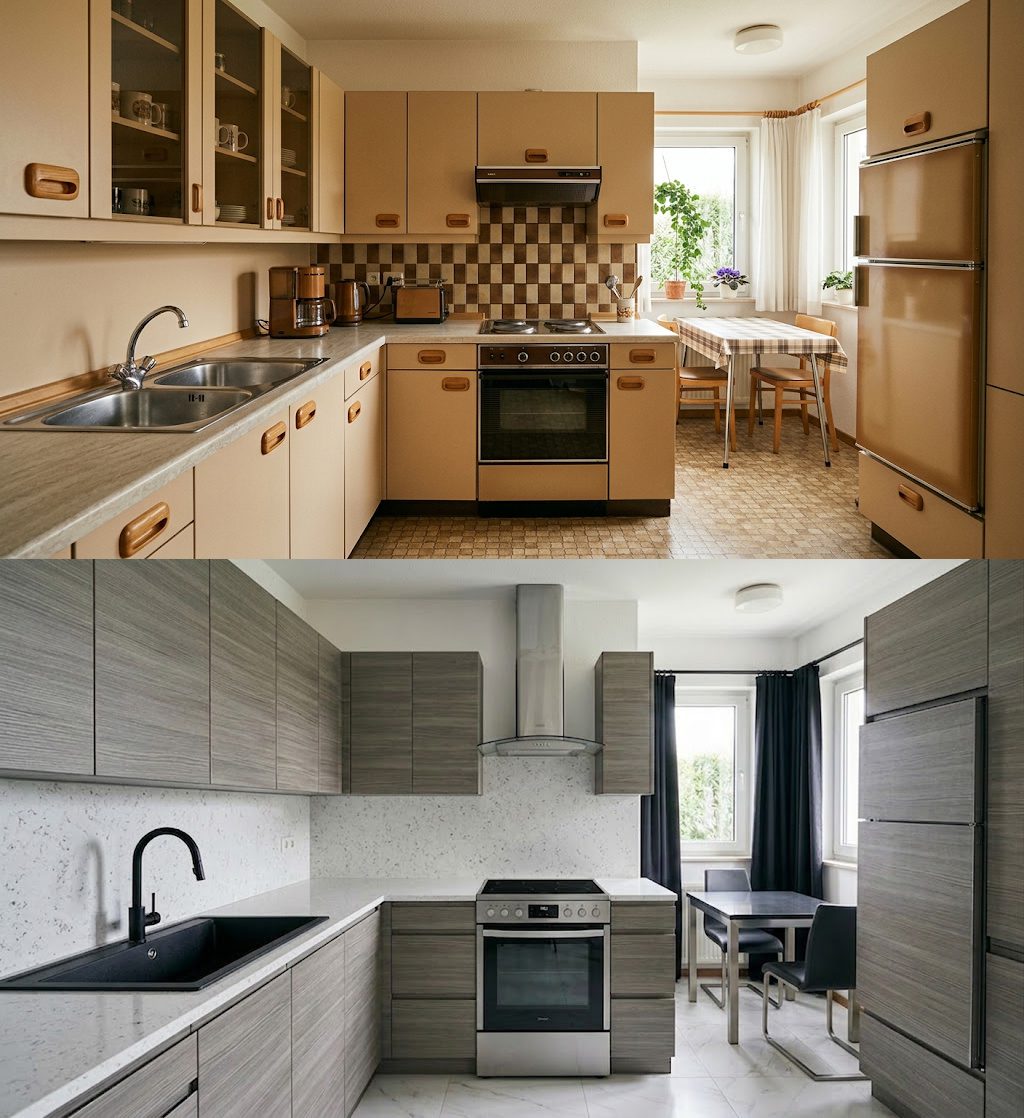
A dated kitchen can make perfectly functional cabinetry feel like a problem. Before planning a full tear-out, ask the question that can change the entire project: are cabinet boxes worth keeping? For many homeowners, especially those with well-built kitchens from the 1980s or 1990s, the answer is yes. The boxes may be structurally sound, securely installed, and ready for a dramatic new look without the mess and disruption of replacing everything.
The key is knowing what to inspect. A beautiful refacing project starts with a solid foundation, not wishful thinking.
Kitchen Facelift is your planning expert if you live in the Greater Hamilton Area.
Click to see the map for the area (Oakville to Hamilton to Niagara and north to Milton).
What cabinet boxes actually do
Cabinet boxes are the fixed frames, side panels, shelves, and supports behind your doors and drawer fronts. They determine your kitchen’s layout, hold your countertops in place, and carry the daily weight of dishes, cookware, and pantry items.
When people say their cabinets are “old,” they are often talking about the visible parts: dated oak doors, worn laminate, exposed hinges, or a finish that no longer suits the home. Those details can make a kitchen look tired, but they do not automatically mean the underlying cabinetry has failed.
Keeping sound boxes and replacing the doors, drawer fronts, panels, hardware, and finish is cabinet refacing. Done well, it is not a surface-level touch-up. It is a custom transformation built around the kitchen you already have.
Are cabinet boxes worth keeping? Start with structure
Open a few doors and drawers. Look beneath the sink. Check the cabinets beside the dishwasher and refrigerator. You are looking for evidence that the boxes remain stable, dry, and well attached.
Cabinet boxes are generally good candidates to keep when they are square, level, and firmly secured to the wall and one another. Shelves should not be sagging under normal use, and drawer openings should be intact. A few cosmetic scratches inside a cabinet are rarely a concern. What matters is whether the material and construction are still doing their job.
Older plywood or furniture-grade cabinet boxes can be exceptionally durable. Many were built with thicker materials and careful joinery that have held up for decades. Replacing them simply because the door style is dated can create unnecessary demolition without improving how the kitchen functions.
That said, an honest assessment matters. Cabinet boxes may not be worth saving if there is extensive water damage, soft or swollen particleboard, active mold, major structural failure, or cabinets that have pulled away from the wall. Damage around a long-term plumbing leak deserves particular attention. A professional can tell the difference between a localized repair and a condition that calls for replacement.
The layout question matters just as much
A sound cabinet box is only half the decision. The other question is whether your current layout works for the way you live.
If you are happy with where the sink, stove, refrigerator, and main storage areas sit, keeping your cabinet boxes is often a very sensible path. You can modernize the appearance while preserving a familiar, functional footprint. This is especially appealing for homeowners who have already invested in quartz or granite countertops and do not want to disturb them.
If the layout creates daily frustration, it may be worth changing selected areas rather than assuming the entire kitchen needs to be removed. Perhaps you want more drawers near the cooktop, better access to a corner cabinet, space for a new appliance, or a redesigned island. Those adjustments can sometimes be incorporated into a refacing plan, depending on the existing cabinetry and the scope of the change.
A full replacement becomes more appropriate when the layout itself needs a complete rethink: moving plumbing, changing wall locations, expanding the kitchen significantly, or correcting a poorly planned room. Refacing is a smart choice when the framework works. It should not force you to live with a kitchen that fundamentally does not.
Four signs your boxes are strong refacing candidates
A quick visual review can tell you a lot, but these four signs are especially encouraging:
- The cabinets are firmly mounted, with no major leaning, separation, or movement.
- The interiors are dry and solid, including the sink base and lower cabinets near water sources.
- Doors and drawers align reasonably well, or their issues appear related to old hardware rather than damaged frames.
- The kitchen layout still supports your routines, even if the style no longer feels like you.
None of these points replaces a proper in-home assessment. Together, though, they are a strong indication that your existing cabinetry may have more life in it than you thought.
What refacing can change, and what it cannot
Cabinet refacing can change the visual experience of your kitchen completely. Custom-fit doors and drawer fronts create a new style. New finishes can shift the room from traditional to contemporary, warm to bright, or understated to high contrast. Updated hardware, end panels, crown molding, and valances bring the details together.
It can also improve function in meaningful ways. Doors can sometimes be converted to drawers, new organizers can be added, and cabinetry can be adjusted to accommodate a new appliance or countertop plan. These are practical upgrades that make an existing kitchen feel more tailored to your household.
But refacing is not a cure-all. It will not solve widespread water damage, fix unstable construction, or create space where the room cannot support it. It also will not make sense if you need to relocate every major work zone. A good cabinet professional should say so clearly, even when that means recommending a different direction.
Why preserving good cabinetry is often the smarter renovation
Keeping cabinet boxes that are still doing their job reduces the amount of demolition in your home. That means less dust, fewer moving parts, and a more contained project. For busy households, that difference is significant. You can pursue a premium, custom look without committing to weeks of living around a stripped-out kitchen.
There is also a practical respect in keeping quality materials in service. If a cabinet box is strong, level, and useful, replacing it solely because its doors look dated is not always the best use of your renovation budget or your home’s existing resources.
At Kitchen Facelift, this is the starting point of every conversation. We assess the cabinetry you have, listen to what you want to change, and recommend a path that fits both. For many Golden Horseshoe homeowners, that means preserving solid boxes and focusing investment on the details they see and use every day.
How to get a clear answer before you commit
Take photos of the overall kitchen, plus close-ups inside the sink cabinet, lower corners, drawer openings, and any area that concerns you. Notice what you truly want to change. Is it the color and door style? Is storage frustrating? Are new appliances changing the requirements? Are you hoping to protect existing stone countertops?
Then have the cabinets assessed in person. A worthwhile consultation should be specific, not vague. You should understand whether your boxes are structurally suitable, what modifications are realistic, and what the finished kitchen can look like. Physical door and finish samples are helpful because they let you see how the new materials will work with your floors, walls, lighting, and countertops.
Most importantly, do not let the age of your cabinets make the decision for you. Age is not failure. A well-built cabinet box can remain the dependable backbone of a beautiful new kitchen for many years. If yours is still sound and your layout still serves your life, keeping it may be the most confident step toward a kitchen that feels entirely new.