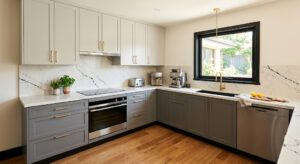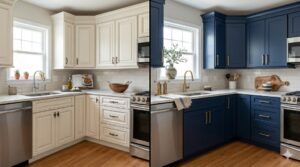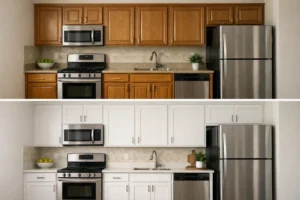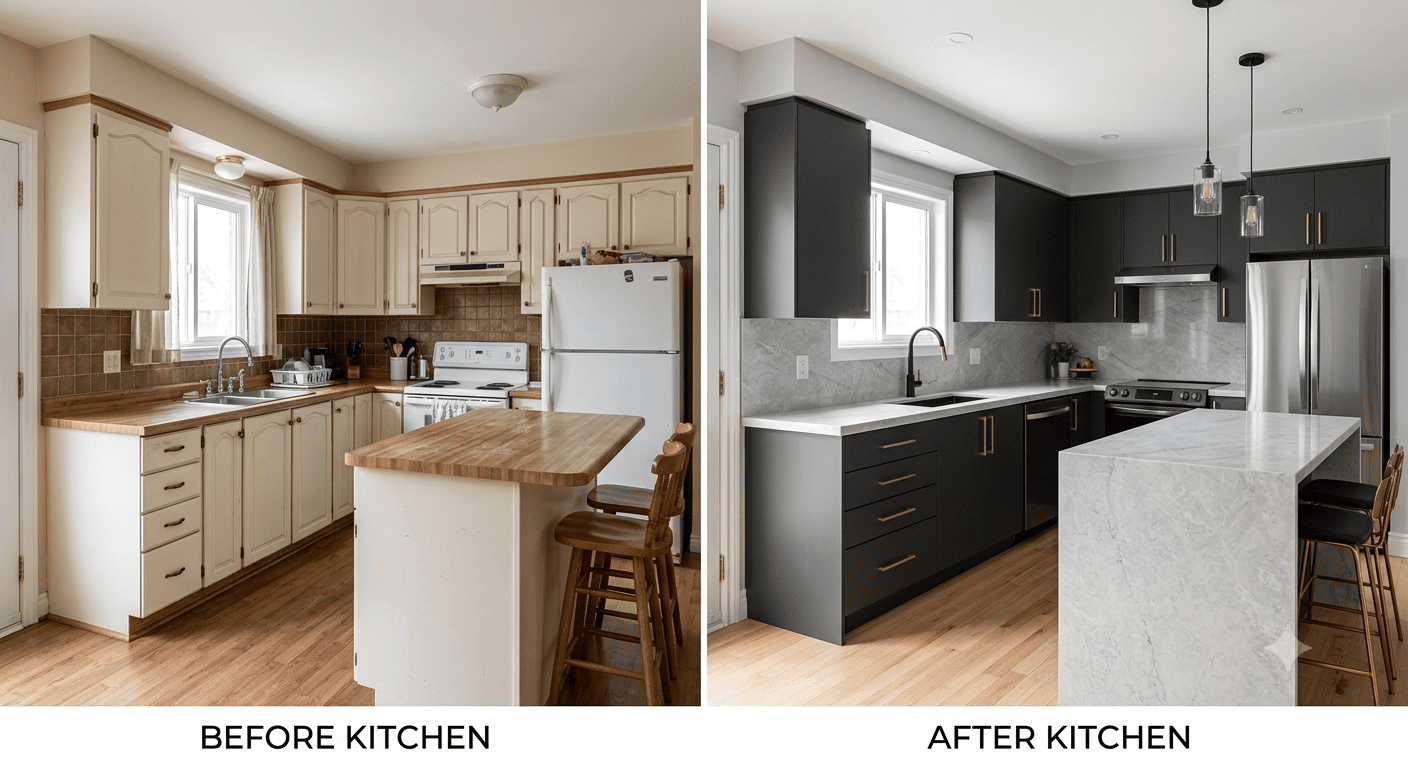
A kitchen can have solid cabinet boxes, a layout that works, and countertops you still love – yet look dated the moment you walk in. That is where Canadian made cabinet doors can make a meaningful difference. They give homeowners a way to change the visible character of the room without treating a functional kitchen like a demolition project.
For many homes built in the 1980s and 1990s, the cabinet structure is often worth keeping. The doors, drawer fronts, hardware, and finishes are what tell the age of the kitchen. Replacing those elements with custom-fit components made for your existing cabinetry is a practical way to get a tailored, current look while protecting the parts of the room that already serve you well.
Kitchen Facelift is your planning expert if you live in the Greater Hamilton Area.
Click to see the map for the area (Oakville to Kitchener/Cambridge and north to Milton).
What “Canadian Made” Should Mean
The label matters, but it should mean more than a flag on a brochure. When cabinet doors are designed and manufactured in Canada, the process can offer closer oversight of materials, finish quality, sizing, and production standards. It also makes it easier for a refacing specialist to order doors that are made specifically for the measurements and design decisions in your kitchen.
That does not mean every product made in Canada is automatically the right choice for every project. Material quality, construction, the finish system, and professional installation all matter. The better question is whether the doors are built to suit your home, your daily routine, and the conditions of a hardworking kitchen.
For homeowners who value craftsmanship and want clarity about what is going into their home, Canadian manufacturing brings welcome confidence. You are not choosing a one-size-fits-all replacement and hoping it works. You are choosing a product intended to be measured, specified, and installed with care.
Canadian Made Cabinet Doors Are Built Around Fit
Cabinet refacing is not simply a matter of taking old doors off and putting new ones on. Every kitchen has its own combination of cabinet openings, hinge locations, filler pieces, panels, appliance clearances, and sight lines. A door that is slightly off in size or alignment can make the finished kitchen feel less polished, even when the color choice is right.
Custom-made doors allow the design to respond to the kitchen in front of you. A narrow cabinet beside a range, a tall pantry, an angled corner, or a bank of drawers can all be considered properly. The result is a consistent reveal between doors and drawers, clean alignment, and a finish that looks intentional from across the room and up close.
This is especially valuable when you are preserving granite or quartz countertops. Removing existing cabinetry can put surrounding finishes at risk and may create a larger project than you planned. Refacing lets you update the cabinetry beneath those surfaces while respecting the investment already in place.
The door style changes more than the door
A slim shaker profile can make a traditional kitchen feel cleaner and more current. A simple slab door may suit a more modern home. Warmer wood looks can add depth, while painted finishes can brighten a room that has felt heavy for years.
The strongest choice depends on the room. A door style that looks beautiful in a large, sun-filled kitchen may feel busy in a smaller space. The same is true of darker finishes, pronounced grain patterns, and dramatic hardware. Seeing physical samples in your own lighting is far more useful than deciding from a small online image.
Materials and Finishes Deserve a Closer Look
The face of a cabinet door has to stand up to fingerprints, moisture, cooking residue, everyday cleaning, and plenty of opening and closing. That is why the material and finish are not minor details. They shape how the kitchen looks over time and how much maintenance it asks of you.
Depending on the design, cabinet doors may be made using engineered wood cores, thermofoil or laminate surfaces, painted finishes, or wood-based materials. Each option has a place. The right fit comes down to the look you want, the level of texture or grain you prefer, and how you use the space.
For example, a smooth painted-style finish can deliver a crisp, refined appearance, while textured wood-grain finishes can bring warmth and help disguise minor day-to-day marks. A busy family kitchen may call for one set of priorities. A kitchen that is mainly used for entertaining may lean in another direction. There is no single best finish, only the finish that best supports your home.
A thoughtful consultation should include a direct conversation about those trade-offs. You deserve to know how a finish will look in your lighting, how it will be cared for, and how it will coordinate with your backsplash, countertops, flooring, and wall color.
Refacing Keeps the Project Focused
A full kitchen renovation can be the right answer when the layout no longer works, cabinet boxes are damaged, or the room needs structural changes. But if you like where your sink, appliances, and storage are located, replacing everything can add disruption without adding much practical value.
Refacing takes a more focused approach. The existing cabinet boxes remain in place when they are sound. New doors, drawer fronts, matching exterior finishes, and updated hardware transform the surfaces you see and touch. Where needed, a project can also include purposeful adjustments, such as converting a door cabinet to drawers, removing a backsplash, preparing for a new countertop, or making room for an appliance change.
The point is not to avoid every change. It is to make only the changes that improve the kitchen. That approach respects your home, reduces unnecessary waste, and helps keep the work manageable.
For many homeowners, the timeline is one of the biggest advantages. Once the design and materials are confirmed, an experienced refacing team can often complete the installation in two to three days. That means less time living around a renovation and more time enjoying the result.
How to Choose the Right Doors for Your Kitchen
Start with what is already working. If your cabinets are structurally sound and your layout supports how you cook, gather, and store things, you have a strong foundation. From there, think about the changes you want to feel every day: easier-to-use drawers, a lighter finish, more modern hardware, or doors that better suit the rest of your home.
Then consider the full visual picture. Cabinet doors rarely stand alone. Their color and profile need to work with countertop undertones, backsplash tile, flooring, appliances, and the amount of natural light in the room. A sample held against your countertop will tell you more than a photo ever can.
It also helps to be honest about your timeline. If you are preparing to host family, settling into a new home, or getting ready to sell, a full rebuild may not be the experience you want. A professionally planned refacing project offers a major visual transformation without turning daily life upside down.
Installation is part of the finished quality
Even well-made cabinet doors need precise installation. Hinges must be adjusted, reveals must be even, panels must sit properly, and hardware should feel consistent from one cabinet to the next. The final details are what make a kitchen look custom rather than simply updated.
At Kitchen Facelift, each project is assessed individually, beginning with straightforward ballpark pricing and a virtual estimate by photo when appropriate. An in-home visit follows with physical samples and precise measurements, so the decisions are based on your actual kitchen rather than assumptions.
That measured approach matters because your home is not a showroom. It has its own light, its own dimensions, and its own priorities. The right cabinet doors should reflect all of them.
A Better Way to Make the Kitchen Feel Like Yours
Canadian-made cabinet doors are a strong choice when you want a kitchen that feels personal, polished, and built for the long term without replacing what is already doing its job. They bring the visible parts of the room up to date while allowing you to keep the layout, counters, and cabinet structure you value.
Before making any decision, take a few minutes in your kitchen with a cup of your favorite beverage. Notice what frustrates you, what still works well, and what you would be genuinely happy to see every morning. That is often where the smartest transformation begins.